Sewing Machine Numbers: 3D SVG Shapes Review
Evaluating Visual Texture for Handmade Brand Identity
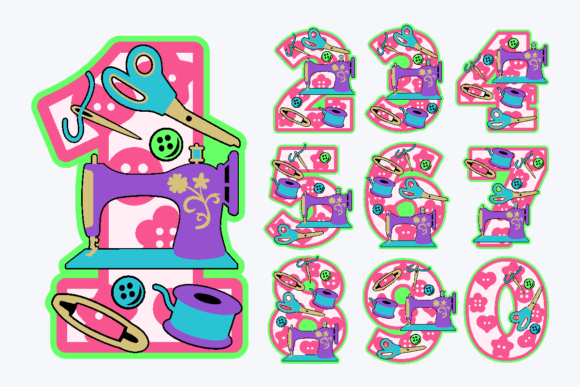
When sourcing a graphic design asset for a niche client, the first impression dictates whether the project will feel authentic or generic. In reviewing the Sewing Machine Numbers collection, my immediate assessment focuses on tactile nostalgia. This is not merely a set of digits; it is a thematic anchor. For a recent rebranding project involving a heritage textile studio and an Etsy shop specializing in vintage patterns, standard typography felt too sterile. We needed numerals that carried the weight of craftsmanship. These numbers successfully evoke the mechanical precision and warmth of mid-century manufacturing, creating an instant emotional connection with audiences who value handmade business aesthetics.
The visual mood here is distinctly artisanal yet structured. Unlike hand-drawn script fonts that can sometimes read as messy or unprofessional at larger scales, these shapes maintain geometric integrity while suggesting depth. As a 3D SVG, the asset bridges the gap between flat vector art and physical embroidery. For designers working on brand identity for sewists, quilters, or fabric retailers, this collection offers a specific stylistic shorthand. It communicates "textile" without relying on overused clipart like scissors or thread spools. The download includes numbers 0-9 SVG in a zipped folder, and upon inspection, the three layered files provide enough dimensional variation to create shadow effects and highlights that mimic actual machine stitching or metal casting.
Performance Across Packaging and Digital Merchandise
In practical application, versatility is the metric that matters most for commercial design. I tested Sewing Machine Numbers across multiple touchpoints for a client launching a seasonal sewing workshop series. For packaging design, specifically on kraft paper tags and woven labels, the layered nature of the SVG proved invaluable. Because the files are separated into three layers, I could manipulate the color values independently in Cricut Design Space to match the client’s exact brand palette without losing the 3D illusion. This level of control is essential when producing physical goods where ink costs and material contrast are real constraints.
For digital applications, such as social media graphics and Pinterest pins promoting the workshop, the asset performed exceptionally well as a hero element. The numbers held their shape beautifully when scaled up for Instagram carousels, serving as bold slide indicators that reinforced the theme without competing with body text. However, designers should note that this asset shines brightest in print-on-demand scenarios like tote bags and aprons. The dimensional quality translates effectively to sublimation and vinyl cutting. When used for t-shirt design, the 3D effect adds perceived value to the merchandise, making a simple numbered graphic look like a premium patch rather than a basic screen print. For Canva template creators, these shapes offer a unique alternative to standard library elements, allowing for more distinctive Etsy product listings.
Optimal Placement in Editorial and Retail Layouts
Understanding where to deploy this asset is just as critical as knowing how to cut it. Sewing Machine Numbers function best as primary focal points or supportive thematic accents in large layout areas. They are ideal for:
- Product Mockups: Overlaying numbers on fabric swatches or pattern envelopes to denote size or difficulty level.
- Campaign Visuals: Using the numerals as countdown timers for sales or launch dates in email marketing.
- Sticker Design: Creating die-cut decals for planners or sewing machines where the 3D layering simulates embossing.
- Editorial Design: Serving as oversized drop caps or page numbers in zines and lookbooks dedicated to fiber arts.
In these contexts, the asset supports visual hierarchy by drawing the eye through texture and familiarity. It acts as a functional decoration, providing necessary information while simultaneously reinforcing the modern design sensibility of a craft-focused brand.
Navigating Limitations in Minimalist and Corporate Contexts
Despite its strengths, this design bundle requires careful handling. It is not a universal solution. During my review, I found that Sewing Machine Numbers struggle in small-scale applications. The intricate layering that creates the 3D effect becomes visual noise when reduced below two inches. For fine print details, legal disclaimers, or complex data tables, stick to clean sans-serif typefaces. Furthermore, this asset is ill-suited for minimalist corporate branding or tech-forward identities. The inherent ornamentation clashes with sterile, high-tech aesthetics. If your client requires a sleek, ultra-modern look, these shapes may introduce unwanted visual clutter.
Designers must also be wary of busy backgrounds. Because the numbers rely on internal contrast to sell the 3D form, placing them over high-contrast photographs or complex patterns destroys readability. Always ensure sufficient negative space. In terms of logo design, use caution. While excellent for wordmarks or monograms in the craft sector, the detailed geometry may not reproduce well on favicons or app icons. Reserve this asset for display purposes and supporting marketing visuals rather than core logomarks that require extreme scalability.
Technical Validation and Commercial Licensing Checks
Before integrating any digital product into a paid client workflow, rigorous technical vetting is non-negotiable. My testing protocol for Sewing Machine Numbers included several critical checks that every professional designer should replicate. First, always test the SVG design in black and white. If the 3D effect relies solely on color rather than luminance values, the design will fail in single-color vinyl cutting or embroidery digitizing. Fortunately, these layered files maintain structural clarity even in monochrome, confirming their utility for Cricut project workflows and Silhouette Studio cuts.
Next, verify file compatibility and editability. The description notes that the collection includes 3 layered files easy to use in cutting software, but you must confirm node cleanliness. Open the vectors in Illustrator or Inkscape to check for stray points or open paths that could cause cutting errors. For PNG design exports intended for web use, inspect the transparency edges. Jagged alpha channels can ruin an otherwise polished web design. Additionally, compare the numeral style against your chosen typography. These numbers possess a distinct mechanical serif quality; pairing them with a delicate script font creates dissonance, whereas matching them with a sturdy slab serif or industrial sans serif enhances brand consistency.
Finally, and most importantly for small business branding, validate the commercial license. Never assume that purchasing a creative marketplace asset grants unlimited usage rights. Confirm whether the license covers client work, print-on-demand resale, and digital template creation. For this specific collection, understanding the scope of use protects both the designer and the client from future intellectual property disputes. When properly vetted and strategically applied, Sewing Machine Numbers serve as a powerful tool for elevating printable design and physical products, transforming generic numbering into a cohesive narrative element that resonates deeply with the maker community.