Pillow Boxes Bunny B.20: 3D SVG Gift Boxes Review
First Impressions: Whimsy Meets Professional Packaging Design
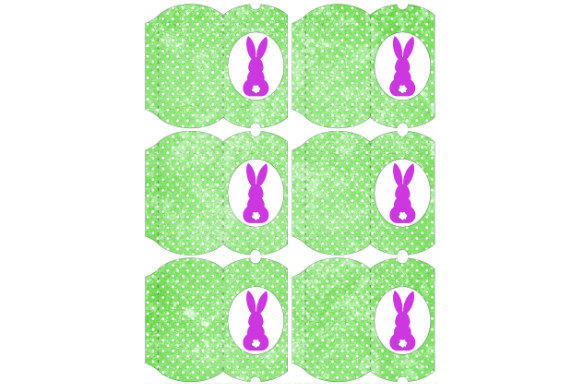
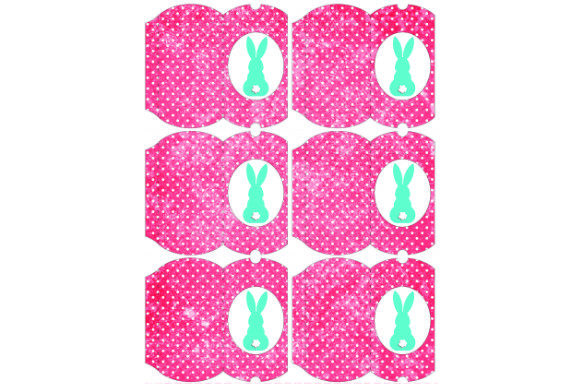
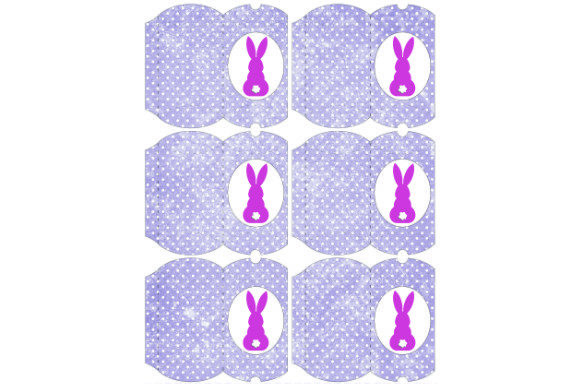
As a brand designer specializing in local business identity, my first encounter with Pillow Boxes Bunny B.20 immediately signaled a specific niche. This isn't a generic container; it is a distinct graphic design asset that communicates softness, care, and artisanal quality. The aesthetic leans heavily into the playful yet polished spectrum, making it an ideal candidate for businesses that rely on emotional connection rather than corporate sterility. When evaluating this set of six tiny printable pillow boxes, the mood is undeniably festive but retains enough structural elegance to function as legitimate product packaging rather than just a craft project.
For a recent client project involving a boutique baby skincare line, this asset served as the perfect bridge between product safety and maternal warmth. The design suggests a brand personality that is organic, friendly, and attentive to detail. It avoids the chaotic energy of cheap clipart, offering instead a refined illustration style that supports small business branding. Whether you are designing for a bakery, a handmade soap shop, or a children’s clothing boutique, this asset establishes a visual tone that feels premium yet accessible. It tells the customer that what is inside was packed with intention.
Elevating Local Business Identity Through Tactile Visuals
In the realm of local business marketing, standing out on a shelf or a social media feed requires more than just a good logo; it requires cohesive storytelling. I utilized Pillow Boxes Bunny B.20 not merely as a container template, but as a recurring motif across multiple touchpoints. For the baby skincare brand mentioned previously, we integrated the bunny silhouette from the box design into secondary brand identity elements. This created a seamless experience where the packaging design reinforced the digital presence.
The versatility of this asset shines when applied to real-world business scenarios. Beyond the physical box, the graphical elements work exceptionally well for:
- Social Media Graphics: Using the 3D rendered view as a hero image for Instagram product launches creates immediate desire and showcases the unboxing experience before the customer even purchases.
- Thank-You Cards and Inserts: The printable nature allows for matching stationery that elevates the post-purchase experience, fostering customer loyalty and trust.
- Seasonal Campaign Visuals: The design is neutral enough to be adapted for Easter, spring sales, or baby showers, making it a high-ROI digital product for marketers planning quarterly content.
- Product Mockups: For web design and Etsy listings, having a consistent mockup style helps maintain a professional grid layout that looks curated and expensive.
By treating this asset as part of a larger ecosystem, small business owners can achieve a level of professional branding usually reserved for agencies with massive budgets. The key is consistency; using the same visual language across your product label, website banners, and physical packaging builds recognition.
Strategic Placement: Where This Asset Drives Conversion
Not every design element belongs everywhere. Through testing, I have found that Pillow Boxes Bunny B.20 performs best when used as a focal point or a complementary accent rather than background noise. In editorial design and packaging, this asset excels in areas where emotional engagement is the primary goal. It is particularly effective for favor boxes at bridal showers, wedding favors, or boutique retail displays where the "cute factor" directly influences impulse buys.
However, strategic restraint is necessary. I advise against using this highly illustrative asset in formal corporate branding or luxury minimalist contexts where clean lines and negative space are paramount. Furthermore, avoid placing these detailed graphics in legal information areas or ingredient-heavy layouts on a product label. The visual complexity of the bunny and box structure can compete with mandatory text, creating readability issues and potential compliance risks. Similarly, on very small labels or low-contrast backgrounds, the intricate details may get lost in print, reducing the perceived quality of the handmade business product. Always prioritize legibility and visual hierarchy over decoration.
The Designer’s Checklist: Technical Validation for Commercial Use
Before committing Pillow Boxes Bunny B.20 to a client project or your own product line, rigorous technical validation is non-negotiable. As a 3D SVG and printable set, it offers flexibility, but also demands specific checks to ensure production success. My standard evaluation process for this type of design asset includes the following critical steps:
- Verify Commercial Licensing: Never assume. Check the specific terms for commercial license usage. Ensure you are permitted to use the asset for physical product sales, client work, and digital marketing. A beautiful design is useless if it exposes your local business to legal risk.
- Test Print Quality and Scale: Since these are described as "tiny" pillow boxes, print a prototype at actual size immediately. Check if the fold lines align perfectly and if the illustration remains crisp at small dimensions. Ink bleed on cardstock can ruin delicate details.
- Evaluate Vector Editability: If working with the SVG files, open them in Illustrator or similar software. Confirm that paths are clean and layers are organized. Can you change the colors to match your brand identity? Are the cut lines separate from the artwork? This determines how easily you can customize the asset for different seasonal campaigns.
- Typography Pairing Tests: Test the asset beside various font styles. Does it clash with a bold sans-serif, or does it harmonize with a soft script? For the baby skincare project, we found that a rounded serif font complemented the bunny’s curves better than a rigid geometric typeface.
- Mockup Realism Check: When using the asset for social media graphics or web listings, ensure the lighting and shadows in the mockup match your other product photography. Disjointed visuals break consumer trust. If the 3D render looks too synthetic compared to your real photos, consider blending modes or texture overlays to integrate it naturally.
- Black and White Conversion: Always preview the design in grayscale. This ensures the contrast holds up for single-color printing options or embossing, which are cost-effective techniques for small business branding.
Final Verdict for Creative Entrepreneurs
Pillow Boxes Bunny B.20 represents a valuable addition to the toolkit of any creative entrepreneur focused on gift-oriented or care-based products. It successfully bridges the gap between DIY charm and modern design professionalism. For bakeries, florists, handmade sellers, and boutique owners, this asset provides a shortcut to achieving a cohesive, emotionally resonant brand presentation. By applying it strategically—respecting visual hierarchy, validating technical specs, and ensuring licensing compliance—you transform a simple set of gift boxes into a powerful vehicle for customer connection and brand growth. It is not just a container; it is a tangible extension of your business's promise of quality and care.