Layered Card for Kids - Elephant: An Embroidery Review
As a professional embroidery designer and product reviewer, I approach every new asset with a critical eye toward stitchability and commercial viability. When I first examined the Layered Card for Kids - Elephant, my immediate thought was how to translate this digital concept into a tangible, high-quality machine embroidery design. While the product description highlights its origins as a paper craft activity for children, the structural lines and whimsical elephant motif present a unique opportunity for textile adaptation. For Etsy sellers, craft business owners, and makers focusing on nursery decor or personalized gifts, this design offers a charming aesthetic that requires specific technical considerations to ensure the finished product meets professional standards.
Translating Paper Craft Aesthetics to Thread
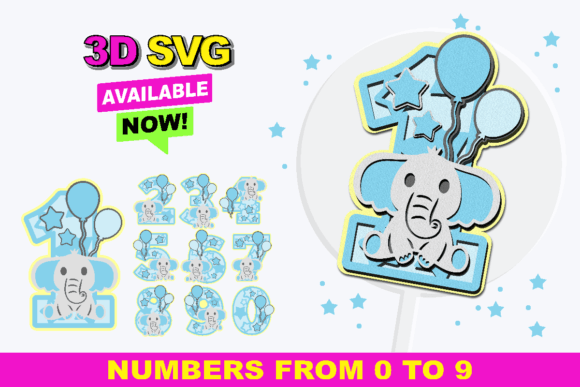
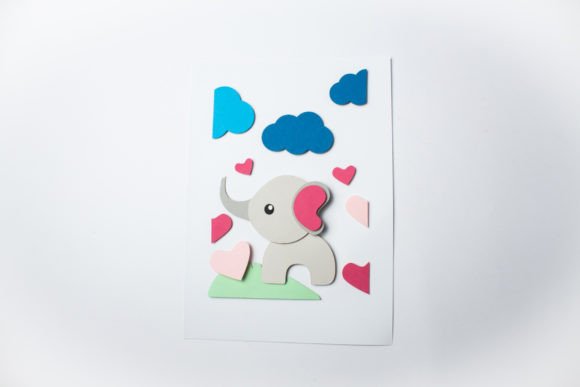
The visual personality of the Layered Card for Kids - Elephant is inherently playful and dimensional. In its original 3D SVG format, depth is achieved through physical paper layers. In embroidery, we must recreate this depth using thread texture and color blocking rather than physical spacers. My first impression suggests this design naturally lends itself to an applique design workflow. The distinct shapes typical of layered cards are ideal for fabric appliqué, where different textiles can mimic the separate layers of the original paper craft.
For those creating baby embroidery projects or nursery wall art, the elephant theme evokes warmth and nostalgia. However, because this originates from the Kids Crafts category, the lines may be simplified. As an embroiderer, you must evaluate whether these simplified lines will hold up as satin stitch borders or if they require reinforcement with running stitch detailing to prevent the design from looking too sparse on fabric. The mood is undeniably sweet, making it perfect for personalized gift items like baby blankets or toddler tote bags, but the transition from vector to stitch requires careful digitizing attention to maintain that layered illusion.
Real-World Application: Custom Nursery Tote Bags
To truly test the viability of the Layered Card for Kids - Elephant, I evaluated it within the context of a recent client request for custom nursery storage bins and matching tote bags. The client wanted a gender-neutral, textured look that felt handmade rather than mass-produced. This design was a strong contender because the elephant silhouette allows for creative fabric mixing.
In this scenario, I envisioned using a minky fabric for the elephant body to provide tactile contrast against a canvas tote bag design base. The "layered" aspect of the original file translates beautifully here; instead of flat fill stitches, you can use varying fabrics for the ears, trunk, and body to create genuine dimension. For small shop product lines, this adaptability is gold. It allows you to offer a premium handmade product where the value lies in the material combination, not just the stitch count. Customers respond well to this mixed-media approach because it bridges the gap between digital precision and artisanal warmth. If you are planning holiday embroidery collections, this elephant could easily be adapted with seasonal fabrics or added accessories like a tiny stitched scarf, increasing its shelf life and ROI for your design assets.
Technical Constraints and Fabric Considerations
While the Layered Card for Kids - Elephant has immense potential, it demands respect for technical limitations. Because this is derived from a 3D SVG intended for paper, the spacing between elements might be tighter than standard embroidery tolerances allow. You must verify the hoop size requirements before purchasing or stitching. Designs with intricate layering often suffer when scaled down; tiny details can get lost or cause thread breaks if the stitch density is too high for the scale.
- Stretchy Fabrics: If applying this to onesies or stretchy knitwear, the layered nature of the design adds weight. Use a cut-away stabilizer to prevent puckering, as the multiple layers of thread (or appliqué) can distort lightweight knits.
- Textured Surfaces: Avoid using this design on high-pile towels or fleece without proper topping. The fine details meant to simulate paper layers will sink into the texture, ruining the visual clarity.
- Dark Fabrics: Since this is a kids' craft design, it likely relies on light colors. Test thread colors carefully on dark backgrounds. You may need to add a white underlay or adjust the color palette entirely to maintain contrast and recognition.
- Curved Surfaces: Be cautious when placing this on caps or curved sleeves. The rigid geometry of a card-style design does not always wrap well around cylindrical objects without distortion.
Always check the licensing terms of the digital embroidery file. Just because a design is marketed for kids' crafts does not automatically grant commercial embroidery rights for selling finished goods. Verify this explicitly to protect your business.
Enhancing Value Through Professional Execution
The difference between a hobbyist project and a boutique item often lies in the finishing. When using the Layered Card for Kids - Elephant for custom apparel or embroidered patch production, presentation is key. The "layered" concept should inform your marketing as much as your stitching. Highlight the dimensionality in your product photos. Use natural lighting to cast subtle shadows that emphasize the texture, reinforcing the 3D inspiration behind the design.
For Etsy seller success, consider how this design fits into a broader collection. Does it match other nursery animals? Can it be paired with monogramming? A standalone elephant is cute, but a cohesive set of layered animal cards creates a compelling reason for customers to return. Furthermore, when creating printable mockups or digital previews for your shop, ensure the rendering accurately reflects the stitch type. Do not show a flat vector image if the actual product uses raised appliqué. Customer trust is built on accurate representation. If the design includes small text or intricate corners inherited from the paper craft version, ensure they are legible at the intended print size. Nothing devalues a personalized gift faster than muddy, unreadable details.
Designer Notes for Successful Implementation
Before committing the Layered Card for Kids - Elephant to a final embroidery project, follow this practical checklist to ensure quality and safety:
- Test on Scrap Fabric: Never stitch directly on a sellable item first. Test the embroidery file on a scrap of the exact fabric and stabilizer combination you plan to use. Check for registration issues between layers.
- Evaluate Stitch Density: Open the file in your software. If the design was auto-digitized from an SVG, the density might be inconsistent. Manually adjust areas that are too dense to prevent needle breaks or stiff results.
- Check Color Contrast: View the design in black and white mode in your software. If the layers blend together without color, the design lacks sufficient tonal contrast and needs adjustment.
- Verify Licensing: Re-read the terms specifically regarding commercial embroidery and digital resale. Ensure you are compliant before listing any small shop product.
- Mockup Accuracy: Create realistic mockups that show the texture of the thread or appliqué. Avoid generic clip-art representations that mislead buyers about the finished product quality.
- Wash Testing: If intended for baby items or apparel, wash and dry the test sample. Layered designs can sometimes shrink unevenly or fray at the edges if not properly secured.
The Layered Card for Kids - Elephant is more than just a simple graphic; it is a bridge between paper crafting charm and textile artistry. By treating it with the technical rigor required for professional embroidery, you can transform a digital kids' craft asset into a high-value, emotionally resonant product that delights clients and strengthens your brand identity. Whether used for a bespoke nursery quilt or a line of boutique tote bags, success lies in respecting both the whimsy of the original design and the physics of the embroidery machine.