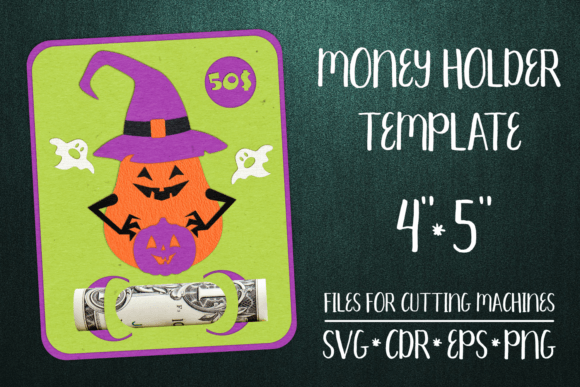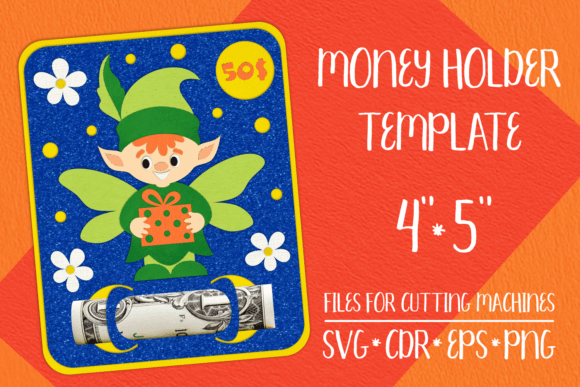
Gnome and Spider Halloween Money Holder Review
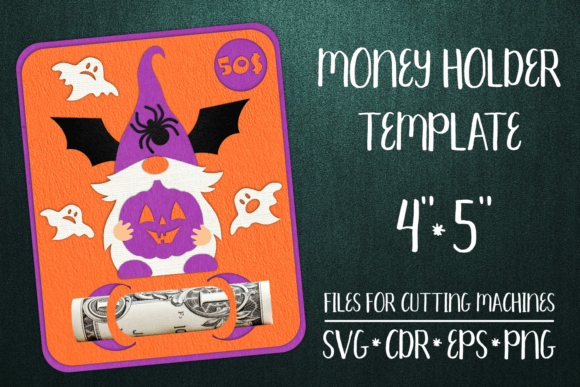
As a designer who constantly evaluates digital assets for both personal crafting and commercial production, I approach every new file with a critical eye. When I first opened the Gnome and Spider Halloween Money Holder, my immediate focus wasn't just on the whimsical aesthetic, but on its structural integrity as a functional project. This isn't merely a flat image; it is categorized under Shapes and formatted as a 3D SVG, which signals to any experienced maker that we are dealing with a construction-based template rather than a simple surface decoration. For those of us running a craft business or managing an Etsy shop, understanding the difference between a pretty picture and a viable product asset is what separates hobbyists from professionals.
First Impressions and Structural Viability
The visual personality of this design strikes a specific balance between spooky and adorable, a niche that performs exceptionally well in holiday embroidery markets. The gnome provides a solid, grounded base, while the spider element adds the necessary seasonal context without being overly aggressive. However, as a reviewer looking at this through the lens of real-world application, my primary observation is how these elements translate from screen to substrate. Because this is a digital product available in 4” and 5” sizes, it sits in a versatile sweet spot for machine embroidery design projects. It is large enough to showcase detail on a tote bag or sweatshirt but compact enough to serve as a focal point on smaller items like aprons or pillow covers.
When evaluating the layout, I noticed the potential for mixed-media application. Since the description specifies files for cutting machines, this suggests a hybrid workflow. For embroidery designers, this means you might be using the SVG to cut fabric pieces for an applique design before stitching them down. This combination of cut vinyl or fabric with traditional satin stitch and fill stitch techniques creates a textured, high-value finished product that customers perceive as premium. The 3D aspect implies depth, likely achieved through layered stitching or foam, which requires careful planning regarding stitch density and stabilizer choice to prevent puckering.
Real-World Application: The Custom Tote Bag Test
To truly judge this asset, I mentally placed it into a current client scenario: creating a batch of personalized gifts for a corporate Halloween event. We needed a custom apparel item that felt handmade yet professional. I envisioned this Gnome and Spider Halloween Money Holder centered on a natural canvas tote bag. In this context, the design serves a dual purpose. Visually, it acts as festive branding. Functionally, if constructed as a true money holder or pocket, it adds utility that increases the perceived value of the merchandise.
For small shop products and boutique branding, this versatility is gold. A standard embroidered patch might look generic, but a 3D interactive element like a money holder invites engagement. When stitching this onto canvas, I would prioritize thread colors that offer high contrast against the neutral background to ensure the spider’s legs and the gnome’s hat remain distinct. If adapting this for sweatshirt embroidery, the fleece texture demands a slightly heavier stitch count to prevent the design from sinking into the fabric nap. This is where having a clean, well-digitized embroidery file matters; you need defined edges to maintain clarity on textured surfaces.
Navigating Fabric Limitations and Hoop Constraints
While the design is charming, practical experience dictates caution with certain materials. The 4” size is excellent for baby embroidery or kitchen towels, but these fabrics present unique challenges. Thin cottons and stretchy knits require robust stabilization. If you attempt this 3D SVG structure on a lightweight t-shirt without adequate backing, the weight of the layered stitches could distort the garment. I always advise testing on scrap fabric first, especially when working with complex shapes that involve folding or dimensional elements.
Dark fabrics also warrant a second look. While the gnome theme works beautifully on orange, black, or purple, you must consider how the internal details read. Running stitch outlines can disappear on dark backgrounds unless you use a light-colored underlay or adjust your thread palette. Furthermore, if you plan to use this for commercial embroidery on caps, verify that the 5” version fits your cap hoop and that the curved surface won’t warp the 3D alignment. Detailed corners and tiny lettering, often found in money holder templates, are the first casualties of improper hooping on curved surfaces.
Commercial Value and Customer Trust
For Etsy sellers and creative entrepreneurs, this design represents more than just a seasonal graphic; it is a scalable design asset. The ability to market a "money holder" rather than just a "gnome picture" allows for higher price points. Customers trust handmade products that demonstrate technical proficiency. If your stitch density is balanced and the 3D elements align perfectly, it signals professionalism. Conversely, misaligned layers or thread breaks caused by poor digitization will result in returns and negative reviews.
Using printable mockups to preview this design before production is essential for buyer engagement. Showcasing the Gnome and Spider Halloween Money Holder in a lifestyle setting helps customers visualize the scale and texture. However, never rely solely on digital renders. Real photos of the finished product build authentic trust. When listing this as a digital embroidery file or a physical item, clearly communicate the skill level required. If the 3D SVG assembly involves multiple steps, providing clear instructions ensures customer satisfaction and reduces support inquiries.
Essential Designer Notes for Success
Before you load this file into your machine or list it in your shop, run through this practical checklist derived from years of production experience:
- Verify Software Compatibility: The product description explicitly states to make sure you have appropriate software. Not all cutting or embroidery software reads every SVG variation correctly. Confirm your program supports the specific layer structure of this 3D SVG before purchasing.
- Test Stitch Density: Dimensional designs often carry heavy stitch counts. Run a test on your intended fabric to ensure the needle penetration doesn’t damage the material or cause excessive stiffness.
- Check Licensing Terms: As a digital product, confirm whether your license permits selling finished physical items versus reselling the digital file itself. This distinction is vital for protecting your craft business legally.
- Evaluate Thread Contrast: Create a black and white mockup of the design to check value contrast. If the gnome blends into the spider web in grayscale, it will lack definition in color embroidery regardless of thread brightness.
- Stabilizer Strategy: For a money holder that needs to hold shape, consider using fusible mesh or tear-away topper in addition to your standard cutaway stabilizer. Structure is key for 3D projects.
- Size Appropriateness: Respect the provided 4” and 5” dimensions. Arbitrarily resizing a complex 3D template can break the alignment marks necessary for assembly. If you need a different size, look for a native file in that dimension rather than forcing a resize.
Ultimately, the Gnome and Spider Halloween Money Holder is a promising asset for makers willing to treat it as a construction project rather than a simple print. Its success lies in your execution. By respecting the technical requirements of 3D SVGs and matching the design to appropriate fabrics and use cases, you can transform this digital download into a standout piece of holiday merchandise that delights clients and strengthens your brand reputation.