Funny Monster Birthday Money Holder Review
As a professional embroidery digitizer and product reviewer, I approach every new digital asset with a critical eye toward production viability. When evaluating the Funny Monster Birthday Money Holder, my primary focus is not just on the whimsical aesthetic, but on how this design translates from a screen to a tangible, high-quality finished product. This review assesses the template specifically for crafters, Etsy sellers, and apparel decorators who need reliable design assets that perform well in real-world stitching scenarios.
First Impressions: Whimsy Meets Structural Integrity
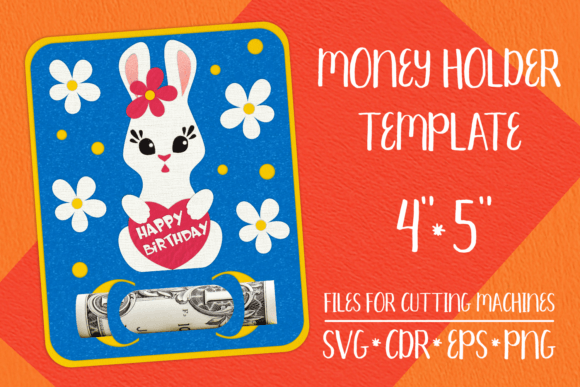
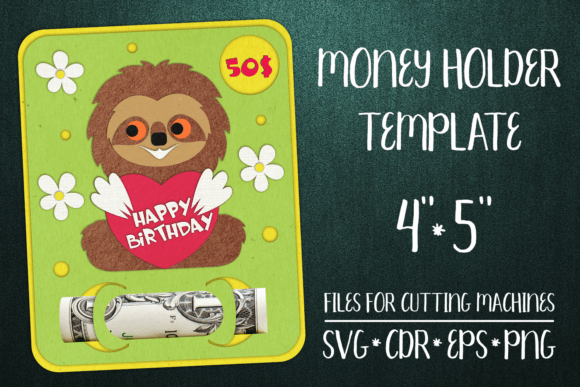
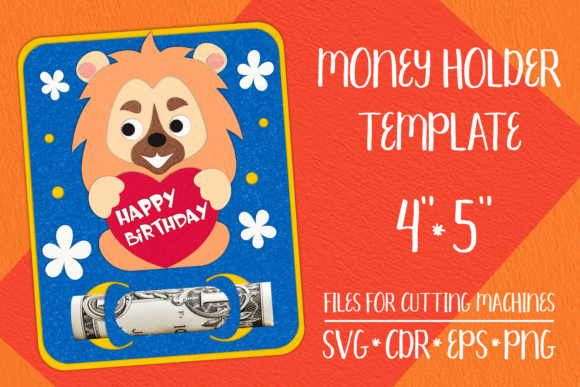
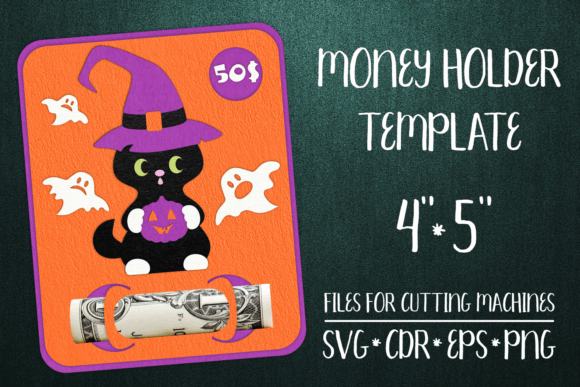
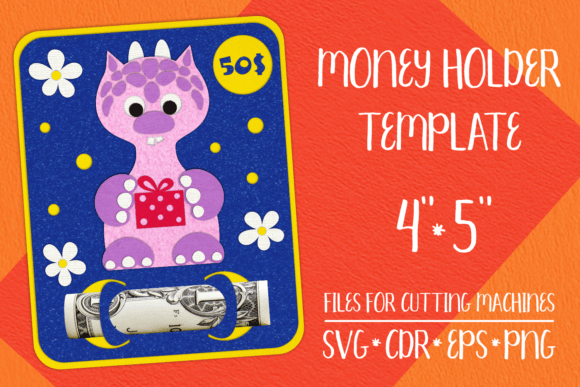
Upon opening the files for the Funny Monster Birthday Money Holder, the immediate impression is one of playful functionality. While marketed as a template for cutting machines and 3D SVG shadow boxes, the visual architecture suggests significant potential for mixed-media embroidery projects. The character design possesses a bold, graphic quality that typically digitizes well. The lines are distinct rather than overly intricate, which is a crucial factor when converting vector art into stitch data. For an embroidery designer, this clarity is reassuring; it implies that the transition to satin stitches or fill areas will likely maintain definition without becoming muddy.
The mood is undeniably celebratory yet structured. Unlike generic monster clipart, this layout considers the physical space required for a money holder slot. From a design perspective, this negative space is actually an advantage for embroiderers. It provides a natural boundary for hooping and stabilizing, ensuring the stitched area remains flat and secure even if the final application involves layering fabric over cardstock or foam.
Real-World Application: Stitching the Monster Tote
To truly evaluate this asset, I mentally applied it to a recent client request: a personalized canvas tote bag for a child’s birthday party favor. In this scenario, the Funny Monster Birthday Money Holder serves as the central focal point. Canvas is a forgiving fabric texture, but it requires precise stabilization to prevent puckering around dense stitch areas.
In this specific use case, the design’s bold outlines would function perfectly as running stitches or backstitches to define the monster’s features before applying any applique elements. If utilizing this as an applique design, the placement lines appear sufficiently spaced to accommodate standard cotton quilting fabrics without fraying. For a sweatshirt embroidery project, however, I would advise modifying the fill density. The original vector might be too heavy for knit fabrics, potentially causing distortion. By treating this template as a guide rather than a rigid rule, a skilled digitizer can adapt the stitch count to suit stretchy materials while retaining the humorous personality that makes the product sellable.
Navigating Fabric Limitations and Hoop Constraints
While the versatility of this design is appealing, there are specific environments where caution is necessary. The stated sizes of 4” and 5” are ideal for standard hoops, but resizing requires careful judgment. Scaling down below 3” risks losing the integrity of small facial details, particularly if the monster has expressive eyes or teeth. Tiny lettering or thin limbs may turn into thread nests on textured fabrics like terry cloth or linen.
Furthermore, consider the substrate. If you are creating a custom apparel piece using lightweight performance wear, the density of a full-coverage monster design could be problematic. The weight of the thread might drag the garment down. In such cases, I recommend using this Funny Monster Birthday Money Holder outline only, perhaps combined with lightweight mesh fills, to reduce bulk. Conversely, for sturdy items like caps or denim aprons, the design holds up beautifully, provided you use appropriate cap stabilizers and curved-hoop tension adjustments. Always verify that your specific machine embroidery design software can handle the conversion from SVG to stitch file without introducing unnecessary jump stitches, which can ruin the professional finish of a handmade product.
Commercial Viability for Makers and Sellers
For Etsy sellers and small shop owners, visual appeal directly correlates to buyer trust. A poorly digitized monster looks amateurish; a crisp, well-executed one signals quality. This template supports that professionalism because its geometry is clean. When creating printable mockups for digital listings, the clear separation of layers allows for easy color swapping, enabling you to showcase multiple variations without re-digitizing. This efficiency is vital for maintaining brand consistency across a catalog of holiday embroidery or birthday merchandise.
However, commercial success also depends on licensing and technical compliance. Before listing any finished product derived from this Funny Monster Birthday Money Holder, confirm the usage rights. Does the license permit commercial sale of physical embroidered goods? Are there limitations on digital redistribution? These legal checkpoints are as important as stitch quality. Additionally, ensure your customers understand they are purchasing a physical item or a licensed digital file, depending on your business model. Clear communication prevents disputes and builds long-term engagement with your creative community.
Essential Technical Notes for Embroidery Success
Transitioning a cutting template into a successful embroidery project requires methodical testing. Based on my experience with similar character designs, adhere to these practical guidelines:
- Test on Scrap Fabric First: Never run this design directly onto a final product without a test stitch-out. Use a scrap of the exact fabric and stabilizer combination intended for the project to check for registration issues.
- Evaluate Thread Color Contrast: The monster’s humor often relies on expression. Ensure high contrast between the outline thread and the body fill. Low contrast can make the design look flat in photos and in person.
- Review Stitch Density: If converting from SVG, manually adjust density settings. Default auto-digitizing often creates bulletproof patches. Reduce density for knits and increase underlay for unstable fabrics.
- Confirm Hoop Size Compatibility: The 4” and 5” specifications fit most home machines, but always measure your actual sewing field. Some 4x4 hoops have usable areas smaller than the stated dimension.
- Inspect Small Details: Zoom in at 100% view in your software. Check that teeth, eyes, and claws have enough width to accommodate a satin stitch column. Anything under 1mm may need to be converted to a running stitch or removed.
- Mockup Testing: Create black and white versions of your design preview. If the monster reads clearly without color, the structural digitizing is sound.
- Stabilizer Selection: Match stabilizer weight to fabric drape. Tear-away works for stable woven cottons in shadow box applications, while cut-away is mandatory for any wearable custom apparel.
- Licensing Verification: Double-check terms regarding commercial embroidery versus personal use. Document this permission for your business records.
Final Assessment for Creative Entrepreneurs
The Funny Monster Birthday Money Holder represents a strong foundation for both digital crafting and textile arts. Its strength lies in its adaptable geometry, allowing it to bridge the gap between paper crafts and machine embroidery design. For the experienced maker, it offers a reliable silhouette that can be customized through thread colors, fabric choices, and stitch techniques to create unique, high-value personalized gifts. Whether you are producing boutique products for a craft fair or expanding your digital product offerings, approaching this template with technical mindfulness ensures the final result is as durable and delightful as the concept itself. Remember, the best embroidery projects begin with respect for the source material and end with rigorous quality control.