3D SVG Gift Bag for Local Brand Gift Boxes
Evaluating the Unboxing Experience for Artisan Retailers
As a brand designer working primarily with local artisans and boutique retailers, I approach every graphic design asset with a critical eye toward physical application. When reviewing this specific Gift Bag template, my first impression is one of versatile warmth. It strikes a balance between structured professionalism and handmade charm, making it an excellent candidate for businesses that rely on tactile customer experiences. The aesthetic suggests a brand personality that is thoughtful, curated, and accessible. For a local bakery, a handmade soap maker, or a florist, this asset communicates care before the customer even sees the product inside.
In the context of small business branding, packaging is often the primary touchpoint for loyalty. This design does not feel overly corporate or sterile; instead, it possesses a softness that aligns with organic skincare lines, children’s products, and seasonal retail campaigns. However, because it is a 3D SVG, it offers dimensional possibilities that flat clipart cannot achieve. It allows for depth in product mockups and digital presentations, helping clients visualize how their brand identity will translate from screen to shelf. For local businesses competing with big-box retailers, this level of visual polish in packaging design is essential for establishing perceived value.
Practical Applications Across Physical and Digital Touchpoints
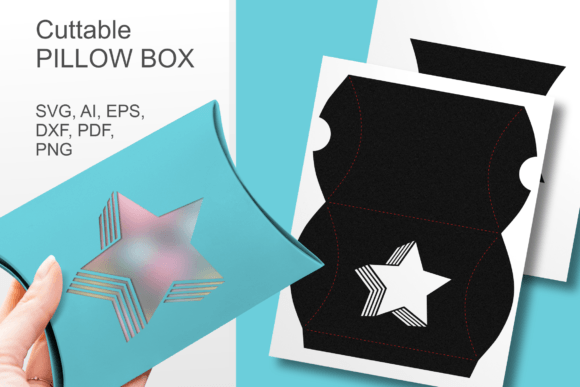
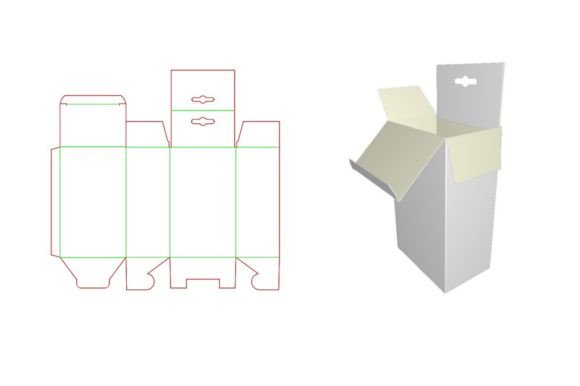
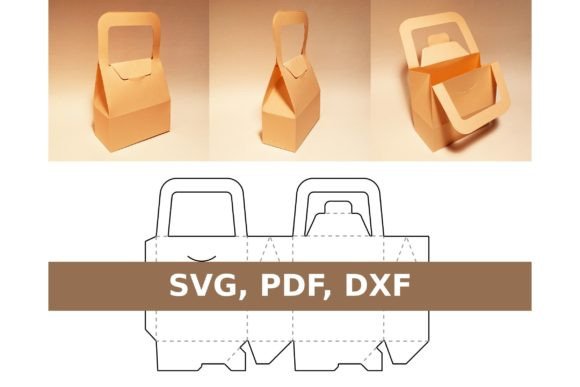
The true test of any design asset is its adaptability across various media. In a recent project for a local candle company, we needed a cohesive look that spanned from the physical container to Instagram stories. This Gift Bag template proved valuable because it functions as both a structural guide and a decorative element. Since the gift bag is a container with a handler template compatible with Silhouette and Cricut, it serves a dual purpose for handmade business owners who produce their own packaging. Many things can fit in there, such as gifts, books, and other personal effects, making it suitable to print on any paper stock for diverse product lines.
- Product Packaging and Labels: Use the vector lines to create custom die-cut stickers or hang tags that match the bag’s silhouette, ensuring a consistent visual hierarchy.
- Social Media Graphics: Utilize the 3D render capabilities to create engaging unboxing content or promotional banners without the cost of professional photography for every new SKU.
- Editorial Design and Printables: Incorporate the outline into thank-you cards, care instruction inserts, or seasonal price lists to reinforce professional branding.
- Web Design and Mockups: Feature the asset on e-commerce product pages to show scale and presentation, reducing customer hesitation regarding gift-worthiness.
For marketers and social media managers, having a customizable SVG design means you can rapidly iterate on marketing visuals for holidays or sales events without hiring a photographer. This agility is crucial for local business owners who must wear multiple hats. The ability to manipulate colors and layers within the file ensures that the asset grows with the brand, supporting everything from a minimalist launch to a festive holiday campaign.
Enhancing Customer Trust Through Cohesive Presentation
A fragmented brand experience erodes trust. When a customer receives a beautifully branded product inside a generic, ill-fitting bag, the premium feeling dissipates. This Gift Bag asset supports stronger emotional connections by ensuring the exterior presentation matches the interior quality. In commercial design, consistency signals reliability. By using this template for gift boxes and carry solutions, businesses create a unified narrative. This is particularly important for food businesses and skincare brands where safety and hygiene are subconsciously linked to packaging neatness.
Furthermore, polished packaging design improves shelf appeal at local markets and pop-up shops. When displayed alongside competitors, a custom-branded bag acts as a walking billboard. It transforms a simple transaction into a memorable interaction. For creative entrepreneurs selling at craft fairs, this asset provides a way to elevate their booth presence without the massive minimum order quantities required by industrial packaging manufacturers. It bridges the gap between DIY ethos and modern design standards, allowing small sellers to present themselves as established entities.
Strategic Placement: Where the Asset Shines and Where to Pause
While versatile, this asset is not a universal solution. It works best as a hero graphic for boutique visuals, a background element for Canva templates, or a structural base for seasonal packaging. It excels in environments where storytelling and aesthetics drive purchasing decisions. However, designers must exercise caution in specific contexts. Avoid using intricate versions of this bag on very small product labels where detail will be lost during printing. Similarly, for luxury minimalist brands that rely on negative space, a highly decorated bag might compete with the logo or essential legal text.
I also advise against using this asset in formal corporate branding or dense informational layouts, such as ingredient-heavy food packaging or technical specification sheets. In these areas, clarity trumps decoration. If the illustration distracts from mandatory compliance information or pricing, it fails its function. Additionally, ensure the style aligns with your target demographic; while perfect for feminine, rustic, or playful brands, it may feel out of place for industrial B2B suppliers or ultra-modern tech accessories. Understanding these boundaries prevents design assets from becoming visual noise rather than strategic tools.
Technical Due Diligence for Commercial Production
Before integrating this Gift Bag into a client project or your own business line, rigorous testing is non-negotiable. As an experienced designer, I always verify the commercial license first. Ensure the terms allow for physical product sales and marketing use, especially if sourcing from a creative marketplace. Next, test the file format compatibility. While marketed as a 3D SVG, confirm it opens cleanly in your specific software, whether that is Adobe Illustrator, Inkscape, or cutting machine software. Check node counts to ensure smooth cutting on vinyl or cardstock without jagged edges.
- Print Quality Testing: Print the design at actual size on your intended paper stock. Verify that fine lines hold up and that colors match your brand palette accurately.
- Typography Pairing: Test the asset beside your chosen serif, sans-serif, script, and display fonts. Ensure the bag’s style complements rather than clashes with your logotype.
- Contrast and Legibility: Preview the design in black and white. If the 3D effect relies solely on color, it may fail in single-color printing or embossing applications.
- Competitor Analysis: Compare your mockup against local competitors. Does this packaging help you stand out, or does it look too similar to existing market offerings?
- Digital Optimization: Export PNG design versions with transparent backgrounds for web use. Optimize file sizes to maintain site speed while retaining visual fidelity.
Finally, consider the assembly reality. A beautiful digital product must be functional in real life. Assemble a prototype to check handle strength, fold accuracy, and capacity. Remember that while many things can fit in there, such as gifts and books, the structural integrity depends on your material choice and construction precision. By treating this Gift Bag not just as a pretty graphic but as a functional component of your brand identity, you ensure it delivers real business value. This disciplined approach to evaluating design assets is what separates amateur crafting from sustainable, professional small business branding.